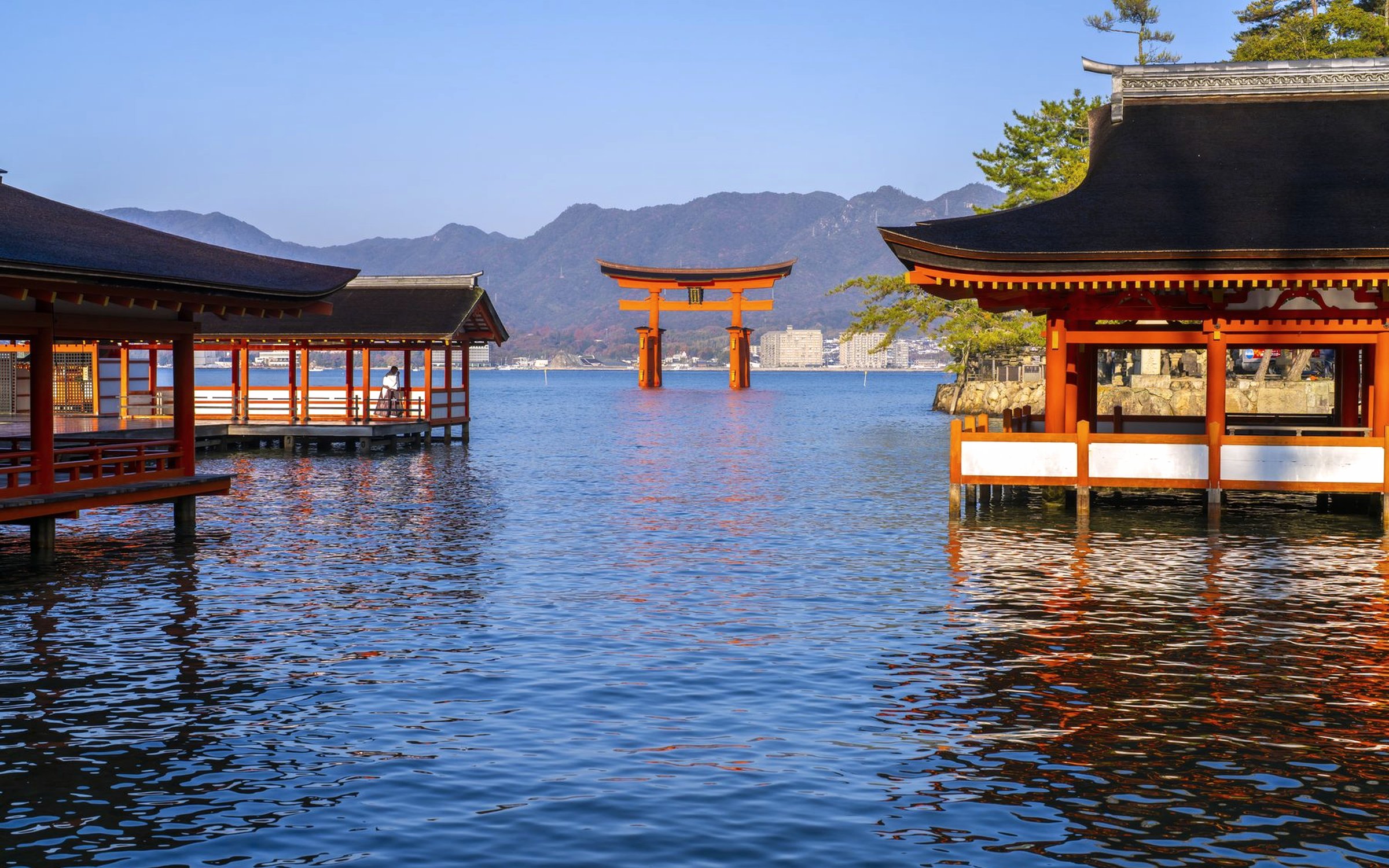
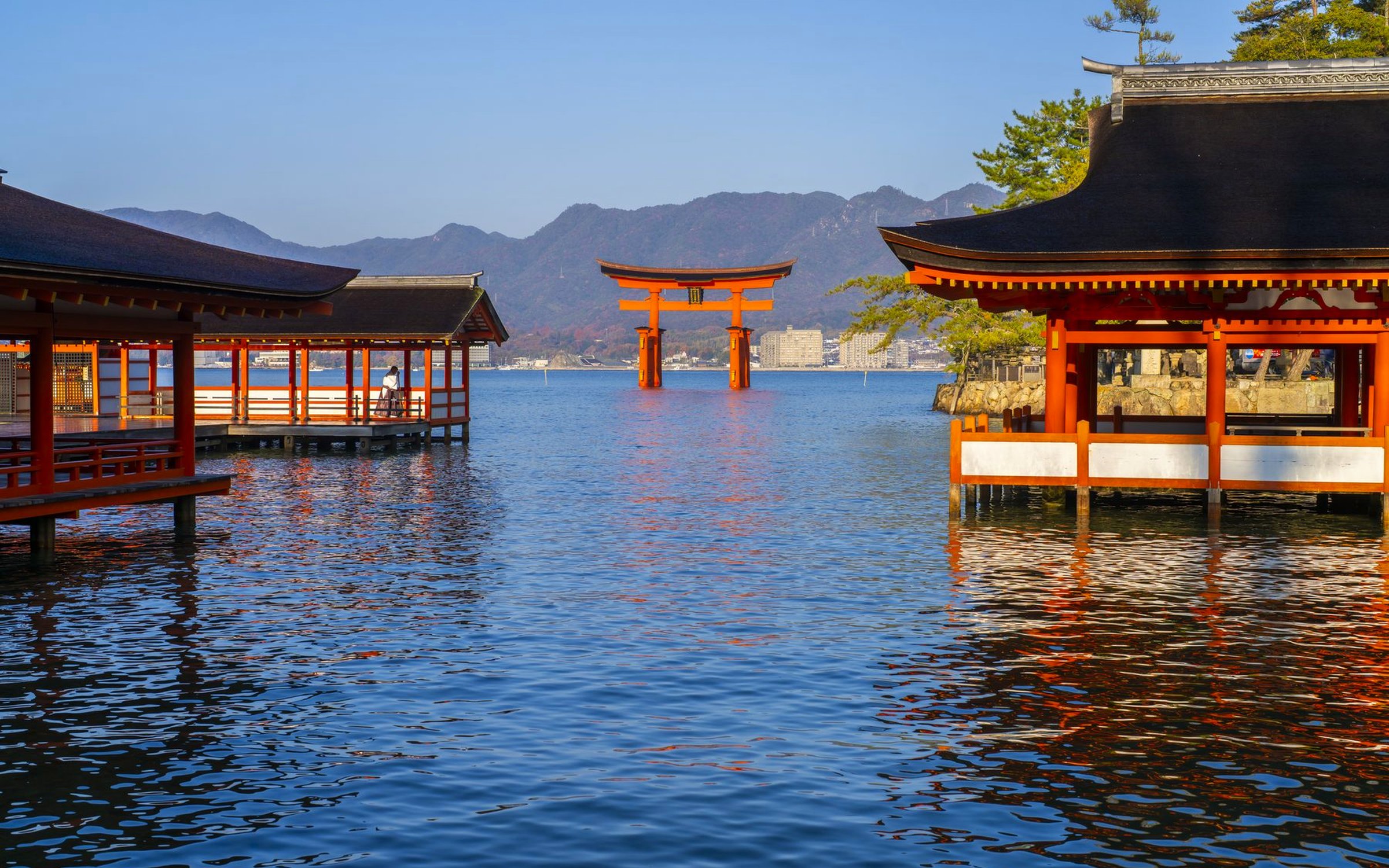
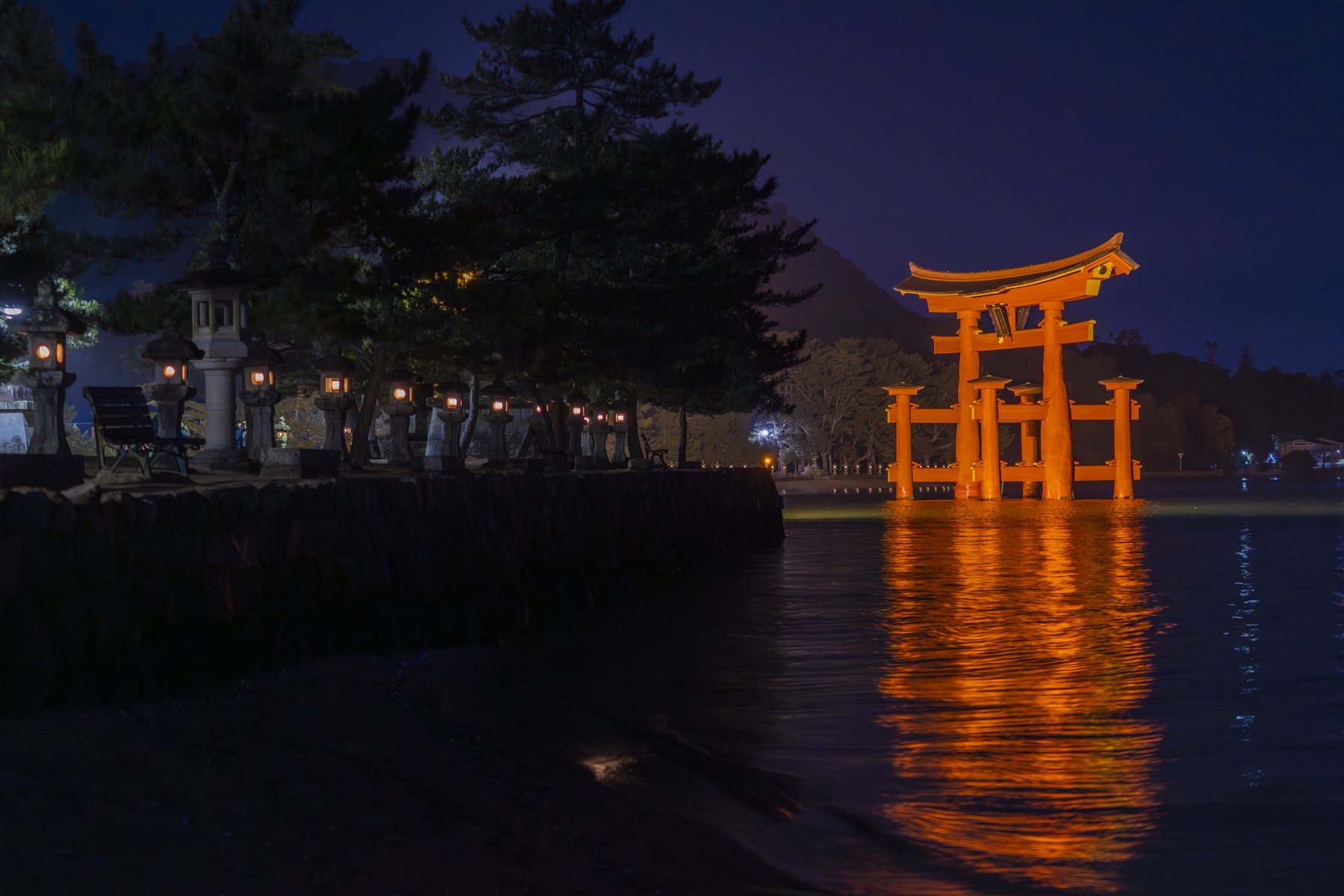
The great torii gate of Itsukushima Shrine lit at night, mirrored on the water

Deep Miyajima

When the last ferries leave,
the island becomes yours.

There are hours here only overnight guests will ever see: the morning light, the midday tide, the hush of dusk, and the great gate glowing on the water at night.
Stay one more night. Go deeper.

See those hours

Two faces

The same island wears a different face by the hour.

Daytime

Miyajima by day

The shopping street hums with visitors from every continent. Photographs are taken, oysters are eaten, and by late afternoon most people are on a ferry back to the mainland. This is the Miyajima the world knows.

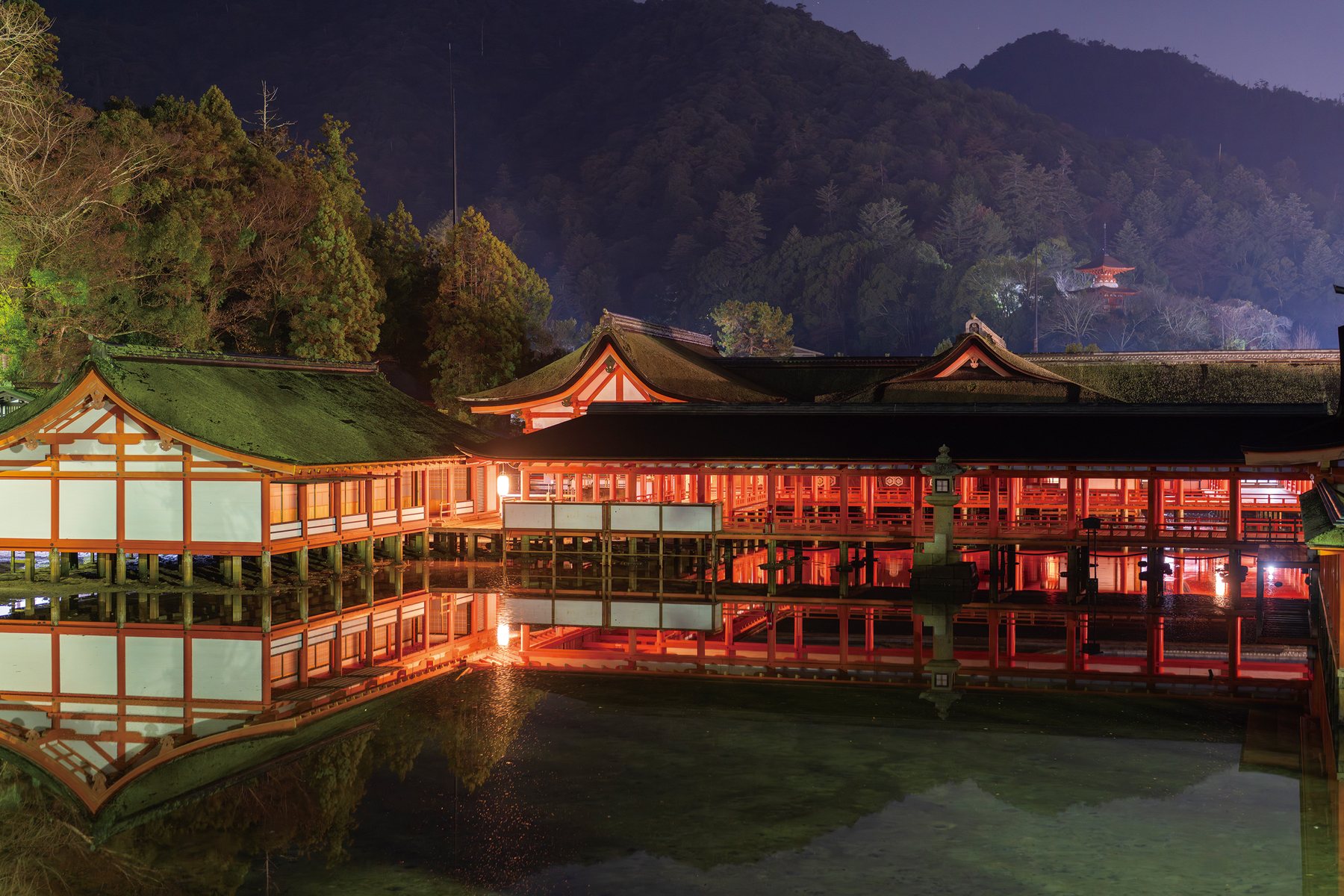
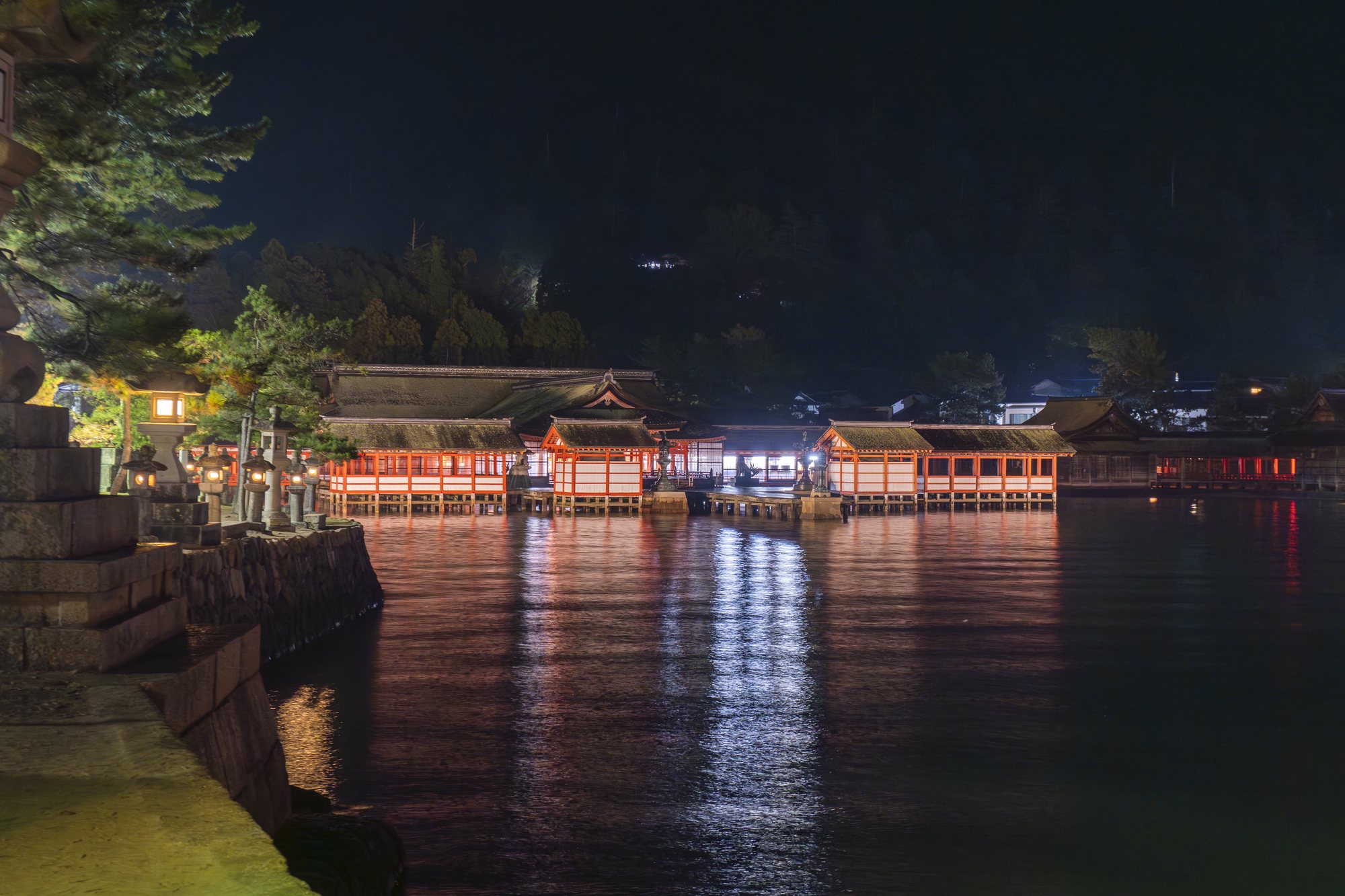
Itsukushima Shrine glowing vermilion at night
After the last boats

Once the day-trippers go

By evening, when the crowds have crossed back to the mainland, the island returns to the few who stayed and the people who live here. Quiet settles. Lanterns are lit. From here on, the island belongs to those with a room.

Hours only for those who stay

From dusk to dawn, you are here for the island's finest hours.

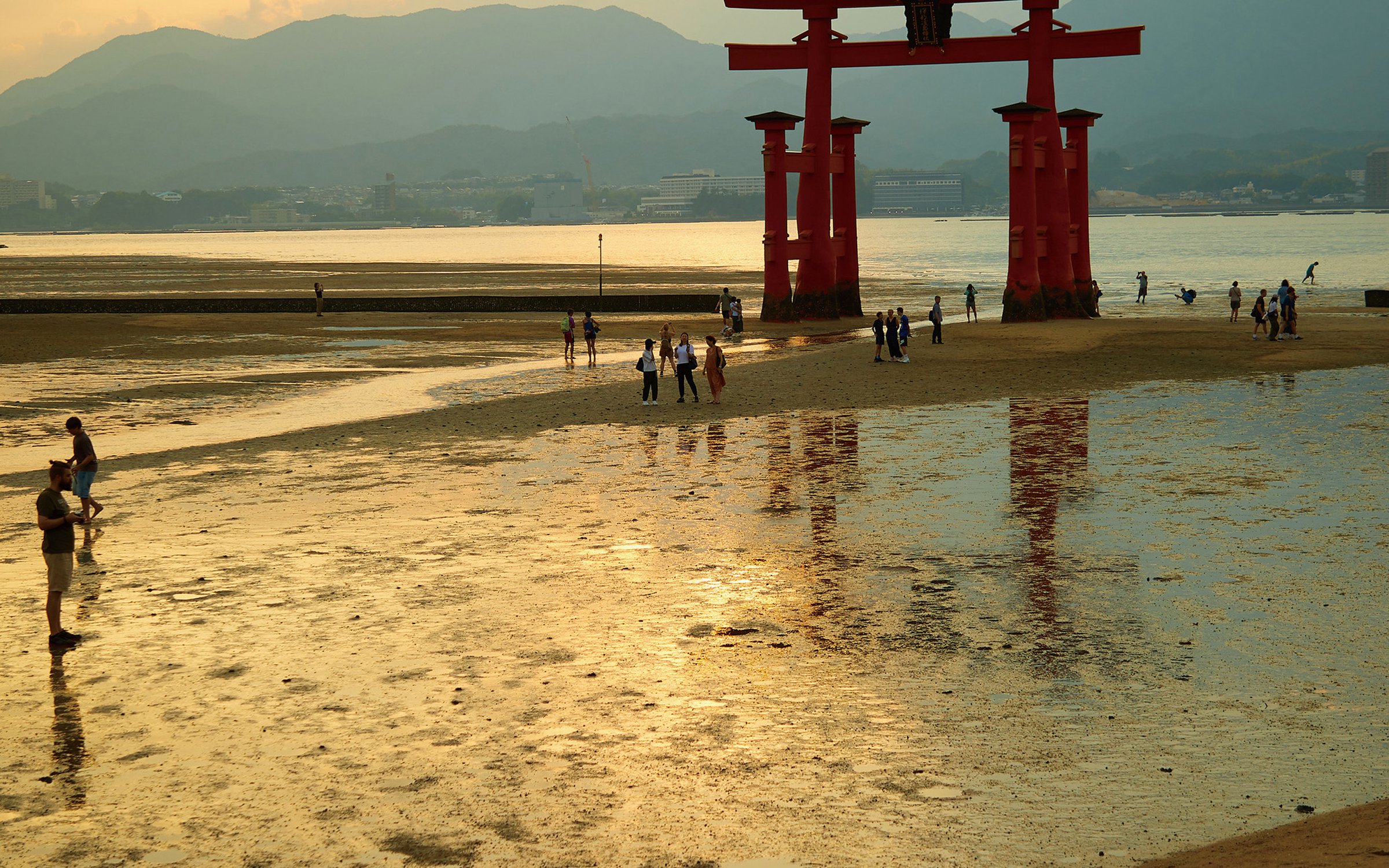
Dusk

Lanterns are lit, and the noise drains away

As flame reaches the stone lanterns, the island's soundtrack narrows to waves and the footsteps of deer. It feels like a different place from the one you walked through at noon.

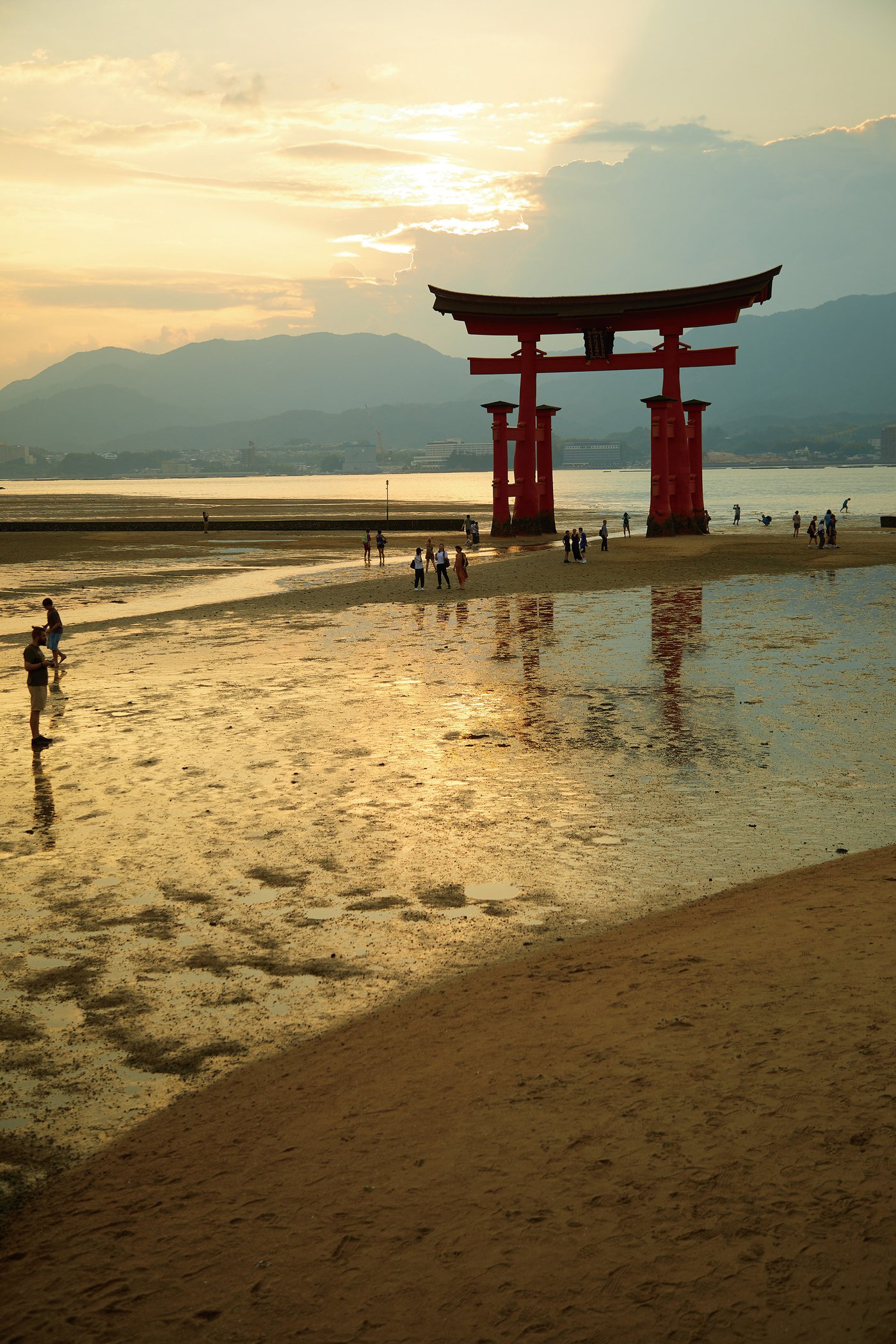
The great torii silhouetted over golden tidal flats at dusk

Night

The great gate, alone in the dark

Seen from Mikasa Beach, the torii becomes a single light on the water once the sun is gone. To stand on an empty shore and simply watch it — that hour belongs to overnight guests.

The illuminated torii gate reflected on dark water

From Mikasa Beach — the great gate, lit, mirrored on the water.

Late night

A sky full of stars

Away from the mainland, with little light of its own, the island's night sky runs deep. Look up and you will see a count of stars most cities lost long ago.

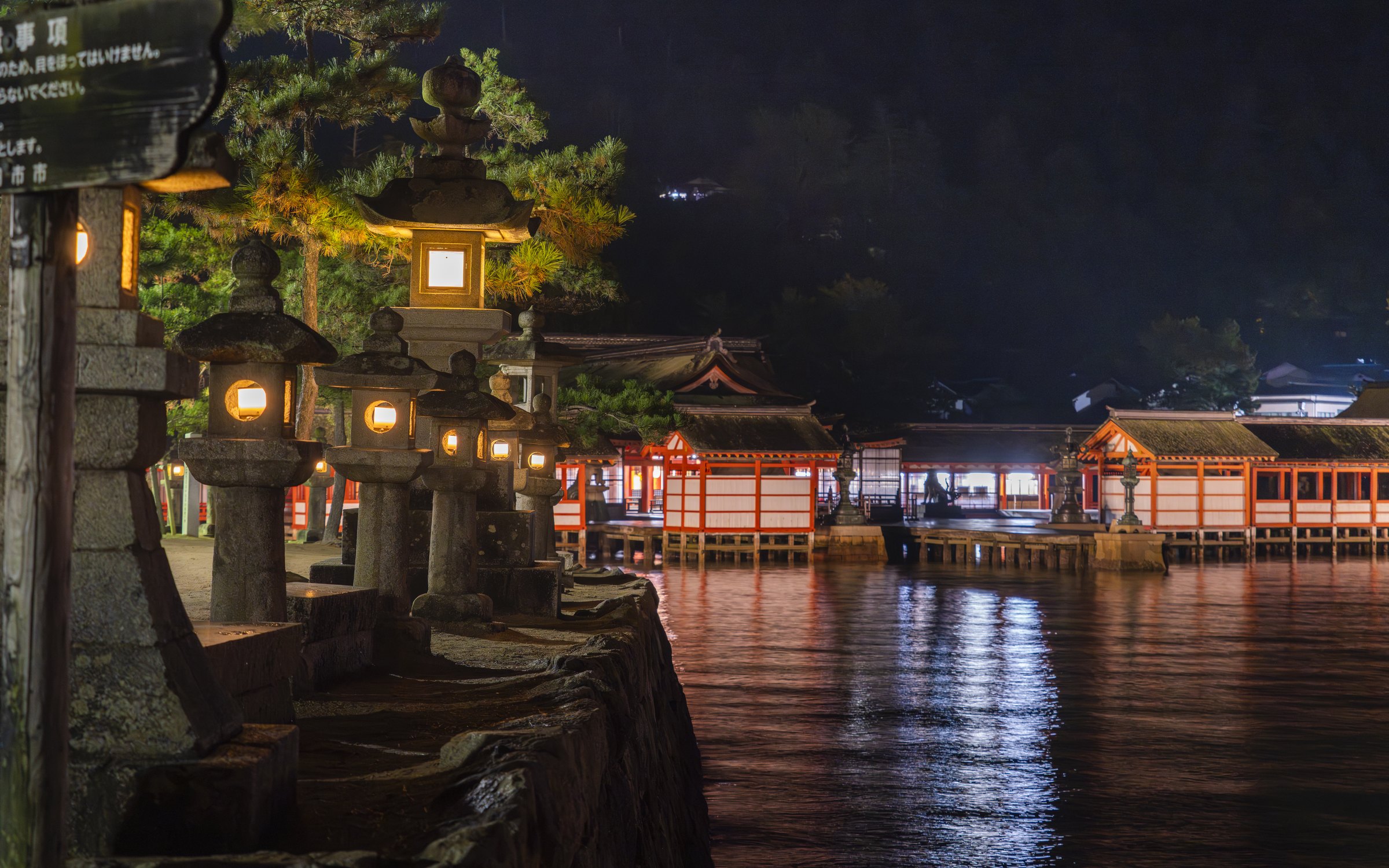
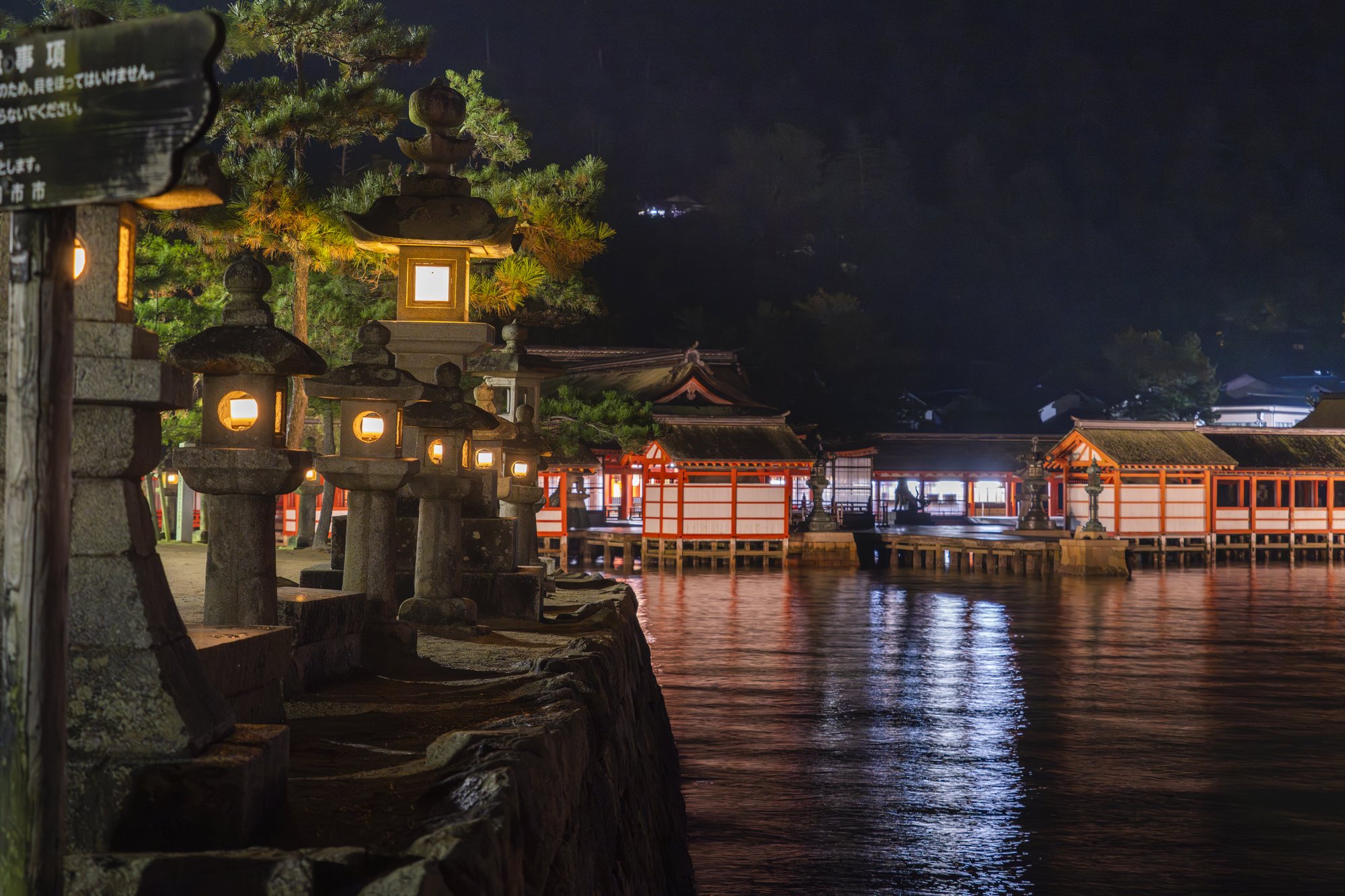
Stone lanterns and the vermilion shrine glowing at night

Before dawn

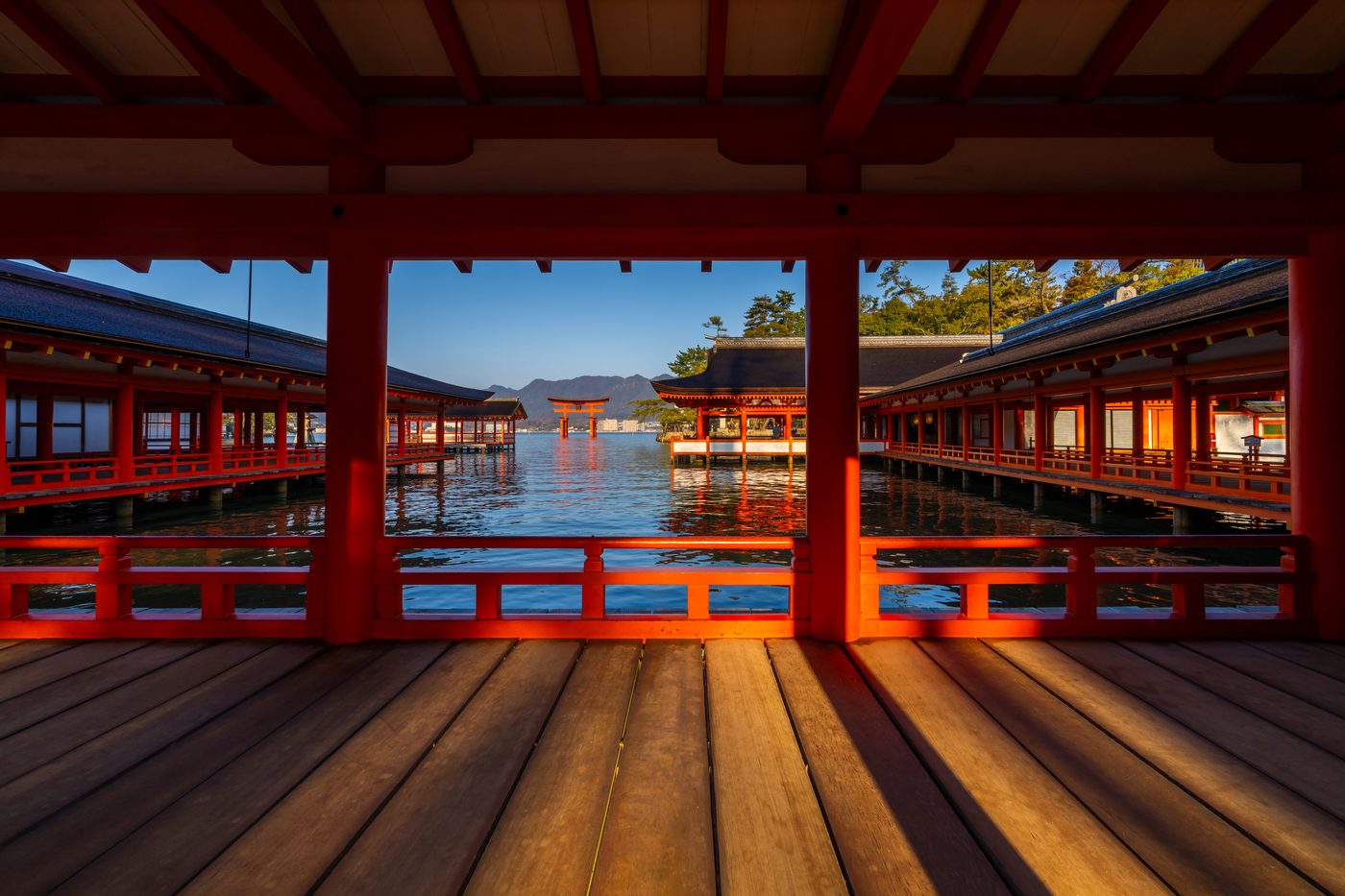
Empty vermilion corridors

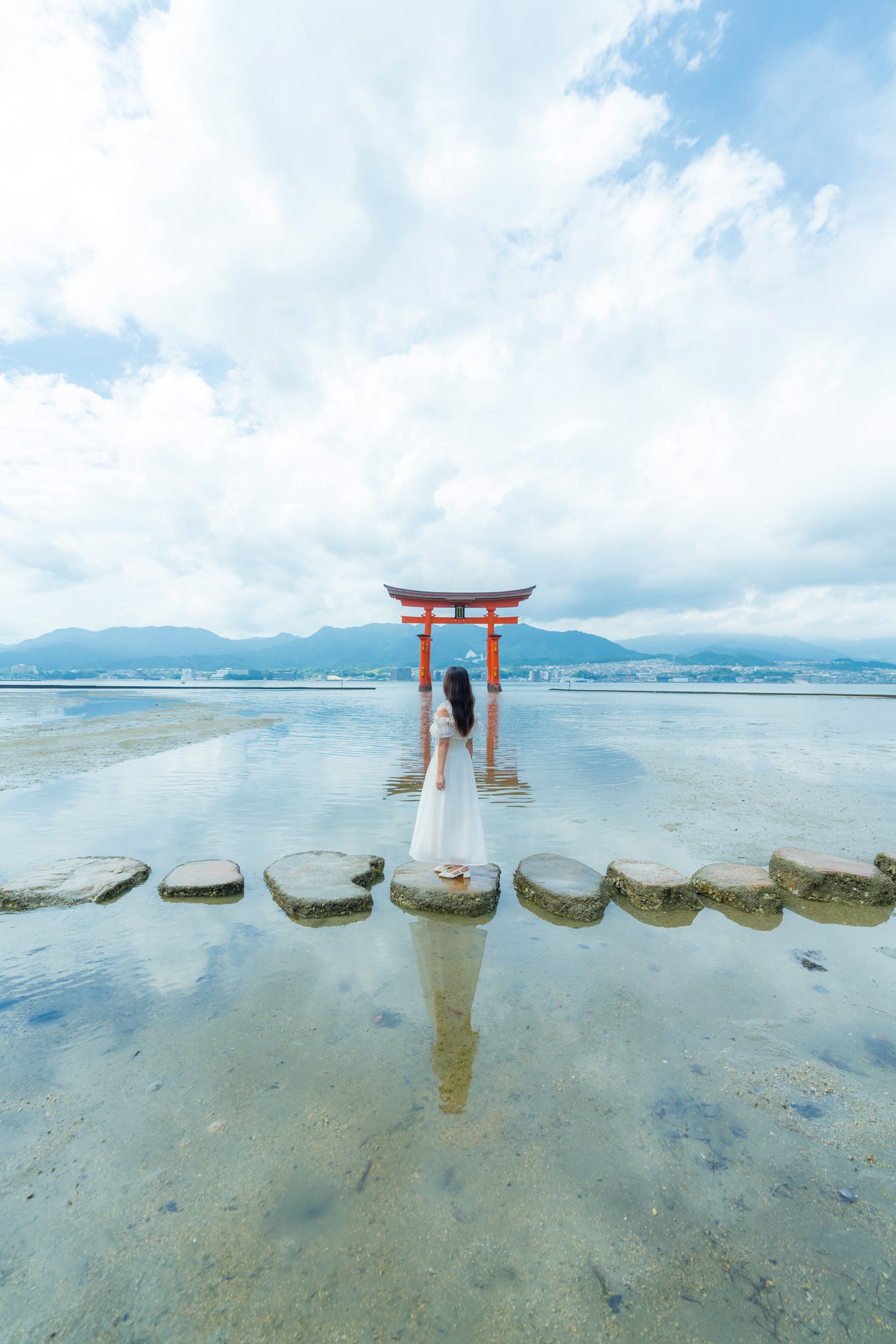
Itsukushima Shrine before sunrise. To walk its vermilion corridors with no one else in them is the privilege of a guest who slept on the island. When the tide draws out, you may even walk to the foot of the great gate.

Empty approach of stone lanterns before dawn

Dawn

First light on the ridge of Mt. Misen

Mt. Misen rises behind the shrine. As dawn edges the ridgeline in gold, the island begins its day slowly. No one who has watched this morning still calls Miyajima a day trip.

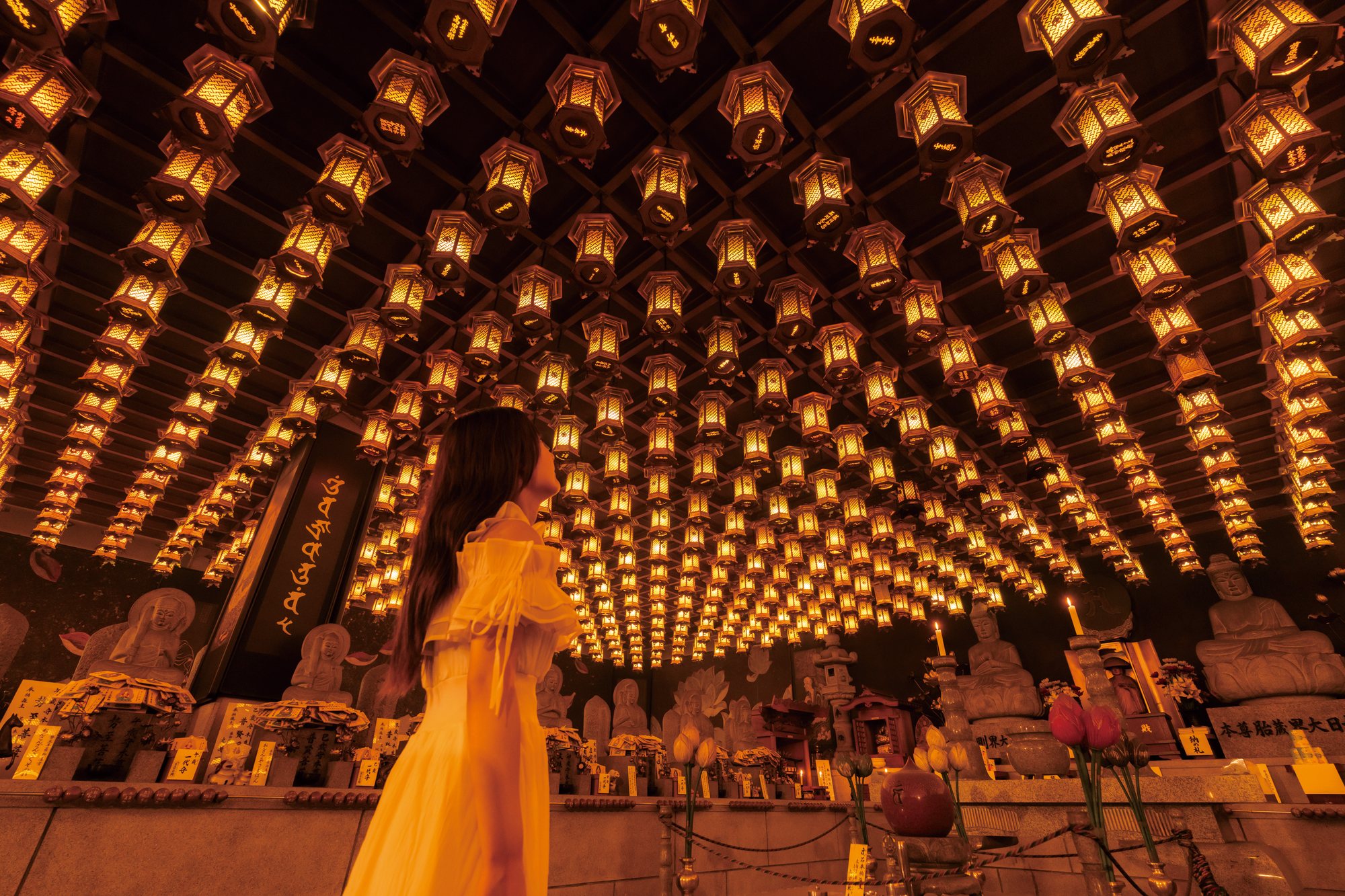
Looking up at a thousand hanging lanterns at Daisho-in's Mando hall

A thousand lanterns

Beneath a thousand lights.
This hour belongs to those who stay.

The island's promise

An island worshipped as a deity —
cherished for a thousand years more.

On Miyajima, the island itself has long been treated as sacred: not a place that holds a shrine, but a place that is one. Which means that here, a visitor is also a keeper. To spend a night is not to consume a destination — it is to share, for a few hours, in the rhythm of a life and a prayer that has continued for a thousand years, and to help it continue for a thousand more.

"Cherishing it for a thousand years to come" is the guiding idea of a sustainable tourism programme led by the City of Hatsukaichi. The Miyajima Visitor Tax contributes to protecting the island's nature and culture for future generations.

A thousand years

Your night here is the next page of a very long story.

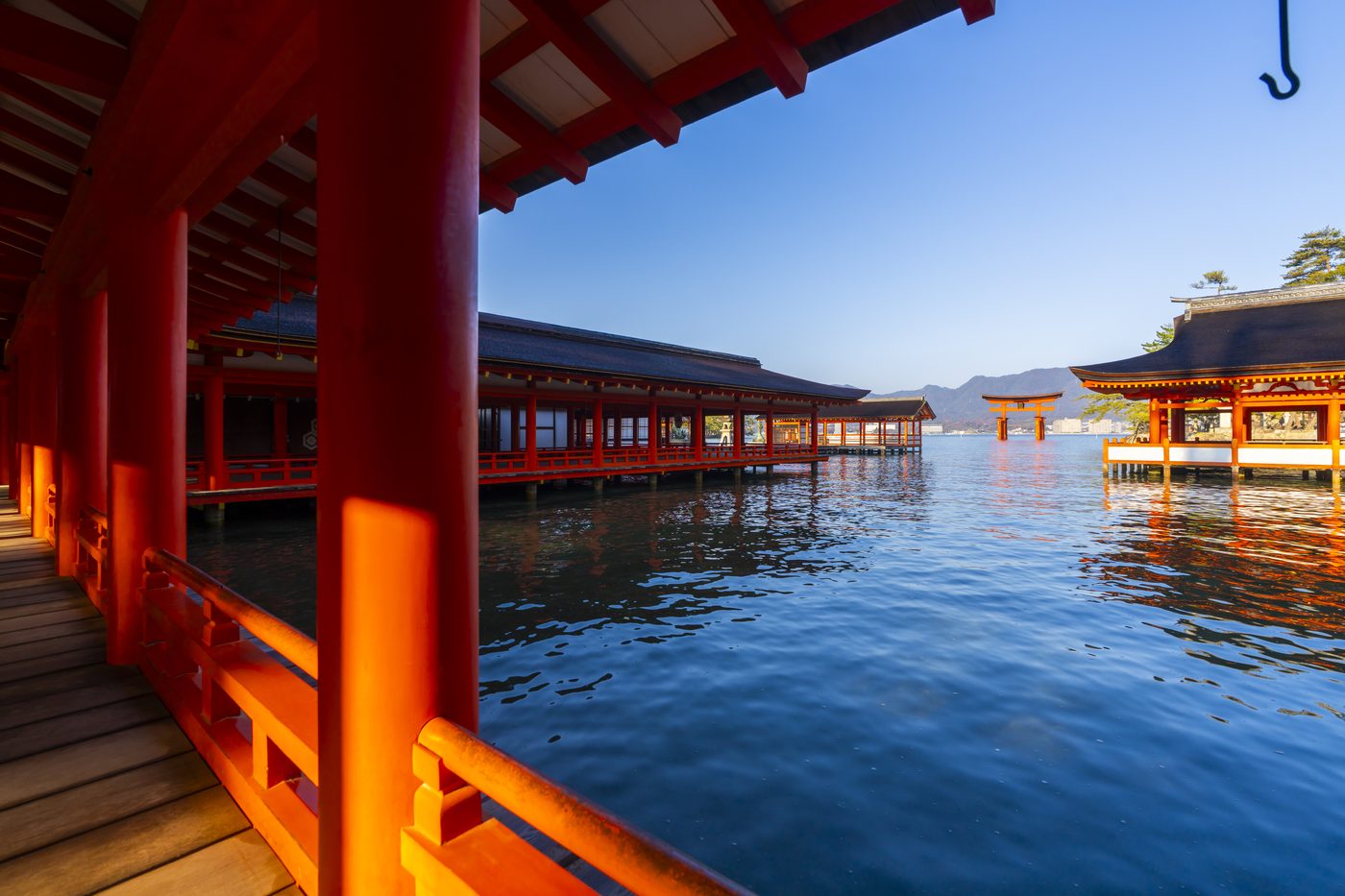
Itsukushima Shrine has been rebuilt above the sea for roughly a thousand years. The grand halls that survive today owe their form to Taira no Kiyomori, who advanced their construction in the late Heian period. A shrine that floats on the tide is unlike anything else on earth — and it made this island famous as a dwelling place of the gods.

Centuries later, the island became a hinge of Japanese history. In 1555, at the Battle of Miyajima, the warlord Mori Motonari defeated a far larger force under Sue Harukata and secured his grip on western Japan. The shore you walk at night, the mountain above you — these are the places where that story happened.

An island legend

The island was held so sacred, it is said, that death and childbirth were once avoided upon it. By never quite living here, people kept the island as the realm of the gods. (Recorded as legend and belief, rather than documented fact.)
Every visitor, a keeper

A thousand-year story does not
survive on its own.

"Come to know the nature, the culture and history, and the daily life of the islanders who have protected them — and, like those who live here, become a keeper of the island yourself."

— from the City of Hatsukaichi's visitor message, "Welcome to Miyajima, the island where the gods are enshrined"

I

Cherish the island's nature

The whole island is sacred. The deer, the trees, the shore — each part of a living shrine. Watch over them gently.

II

Honour the island's culture

A thousand years of shrine and prayer, rebuilt above the sea. Respect for that continuity is what makes the quiet.

III

Be mindful of island life

People live here. A visitor, too, can meet the island with the same heart as those who call it home.

The quiet beach you walk at night, the empty corridors before dawn — they remain only because residents and visitors alike have kept this care alive. To stay a night, and share in the island's evening, is to join that quiet work.

The island's etiquette (City of Hatsukaichi) →
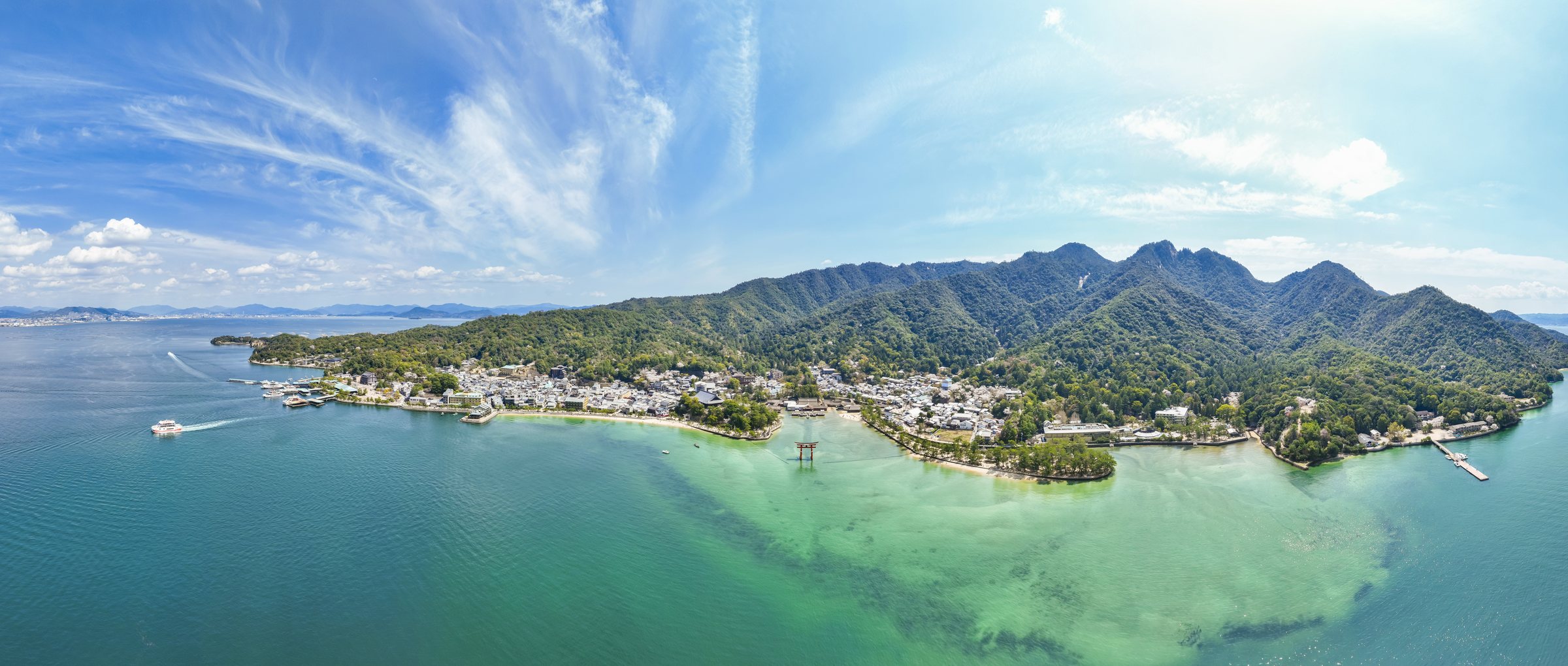
The island of Miyajima at night, seen from over the sea

One more night, for the hours that follow.

A single night shows you the island's true face.
Tonight, be one of the ones who stays.

Find a room on the island

We link you directly to each inn's own website — book with the people who run it.

For the travel trade

Designing high-value Japan itineraries?

We work with tour operators and DMCs on the Sea to Summit itinerary — a night on Miyajima paired with one or two in the Hatsukaichi highlands. Product sheets, rates and FAM trip enquiries welcome.

Contact our team

The other side of Hatsukaichi

From a sea-level World Heritage site
to a 1,000-metre forest.

An hour's drive from the pier, the same city rises into the highlands of the Nishi-Chugoku range. Ziplines, mountain streams, snow. After the island's silence — the mountain's fire.

Sea to Summit